
October Newsletter

Dear Lit Motors Community,
Happy October!
Last month, we talked about how far the Nexus could take you for the price of two coffees. This month: how could you save 90 to 100 hours a year?
Two wheels, three kinds of trips

Our platform shares many verticals of four- and two-wheelers. In the future, we see optimized usage of all aspects of any throughway: micromobility, commuting, and delivery.
Twenty-two minutes

Most of us know the text by heart: Running late, almost there.
On the street, a smaller vehicle means less bulk to move through traffic and hunting for parking. Riders of narrow vehicles like motorcycles spend 15-20% less time commuting.
For someone who spends 457 hours a year getting to work and back in a four-wheeled car, that would mean more than 90 hours saved. That’s about 22 minutes a day.
Twenty-two minutes is taking a walk after dinner instead of squeezing in one more thing. It’s getting home while the kids are still awake. It’s calling your mom back tonight instead of “this weekend.”
Our next development objective remains bringing the Nexus’ systems together in the X-1. We’re in deeper due diligence with investors and speaking with an additional set of industry partners. We hope to bring you good news soon. To our new & current preorder holders in particular, thank you for your patience and continued support!
Recent rounds in SF
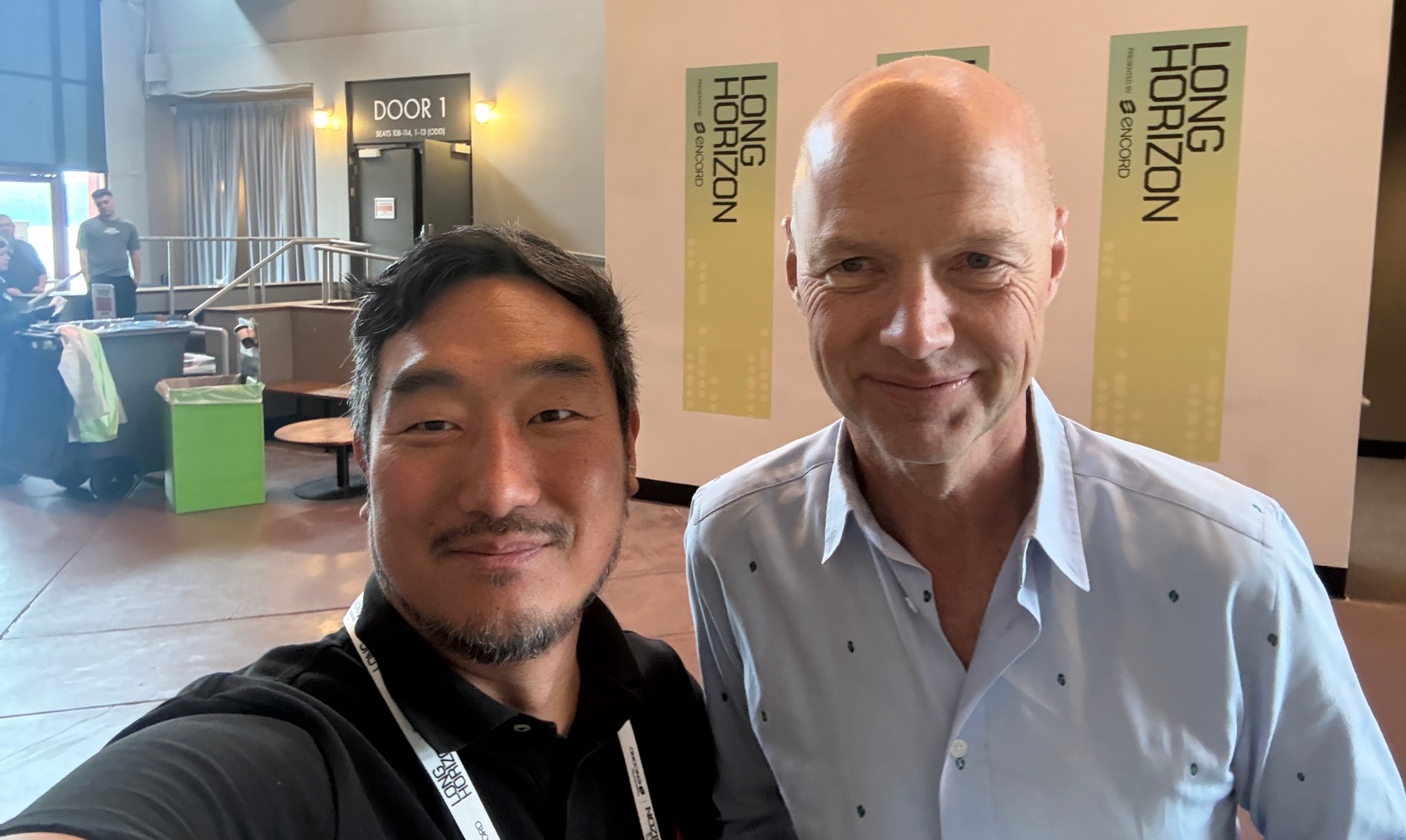
Danny’s October fundraising schedule included Dreamforce, SF Tech Week, TechCrunch Disrupt, and Long Horizon (a robotics and autonomy summit in San Francisco). At Long Horizon, he reconnected with Sebastian Thrun, who led the Stanford team that won the DARPA Grand Challenge in 2005, spearheading Google’s original self-driving car project in 2009!
“We have come a long way! EVs were just a dream then,” our founder reminisced.
Today, a driverless car is an ordinary sight in San Francisco. A lighthouse of safety. But look inside, and you’ll often see one passenger in a cabin built for several. The same pattern extends beyond ride-hailing: about 70% of American drivers drive alone.
Autonomy changes who does the driving. But a self-driving car still takes up a car’s worth of space in traffic. It still contributes to congestion, needs somewhere to park, and requires 10x the materials, components, and energy to build and move. When it carries just one person, much of that vehicle’s capacity goes unused.
That mismatch is where Lit began: what would a vehicle look like if we designed it around the person actually using it?
That’s why Danny decided to cut the car in half. Lit’s platform is designed around 1/10th the part count of a car, fewer components to manufacture, assemble, and eventually replace, which leaves room for higher profit margins.
From Akira to the everyday
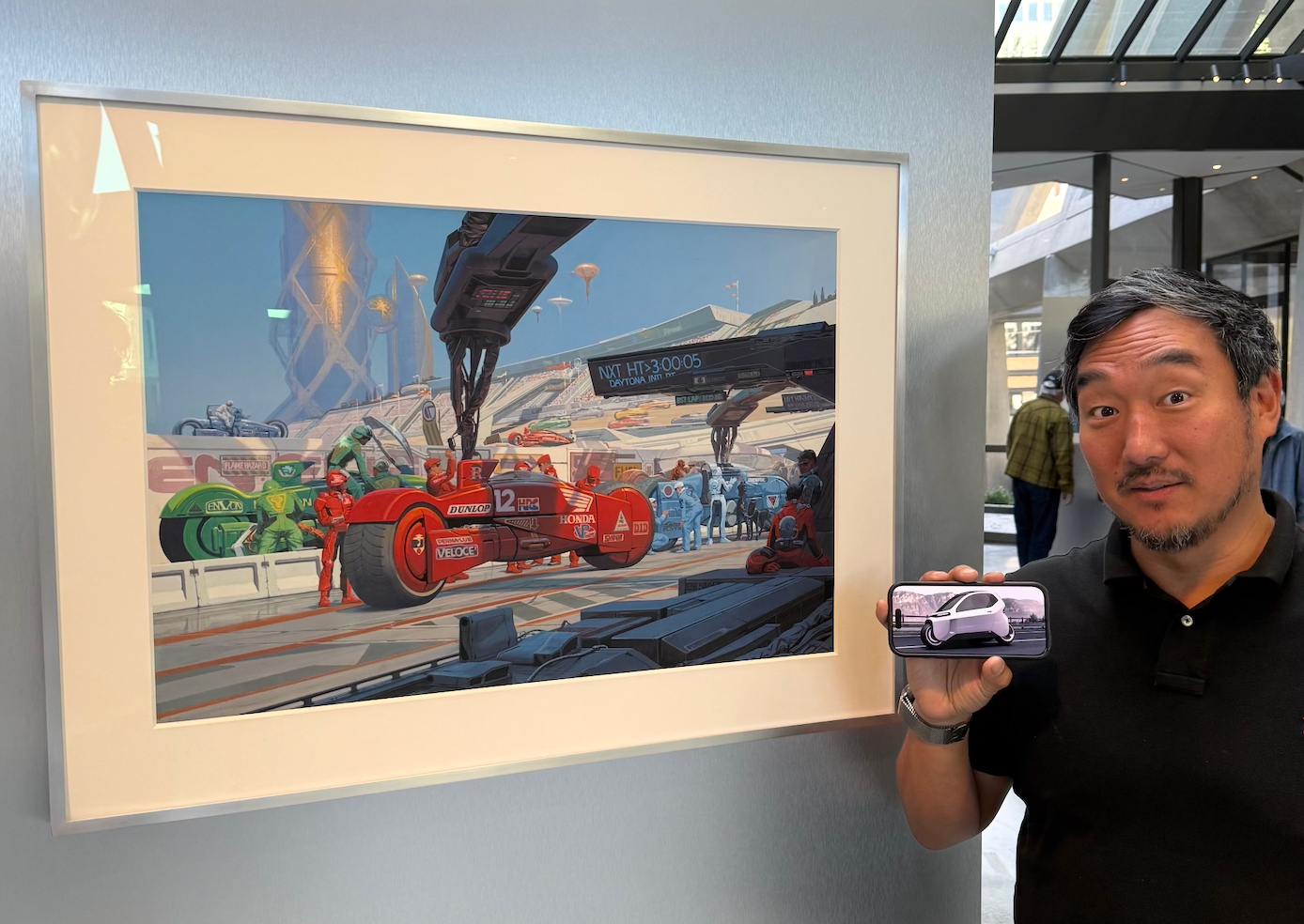
Syd Mead’s Honda Mural (2004). In it, futuristic two-wheeled racers wait among pit crews and grandstands.
Mead spent his career picturing the future, and machines no one could build yet. His light cycles in Tron inspired Kaneda’s bike in Akira, which inspired our own “Akira to Reality” film in September. Decades later, those designs still make people want to ride something like them.
We’re building ours for a future we want to live in, and we want them to feel just as exciting to climb into.
With gratitude,
The Lit Motors Team


Comments